A deep dive into Aluminum Foundry techniques and casting advantages
The Duty of Metal Casting beforehand Production Technologies
Metal Casting have notably influenced the evolution of producing technologies. They use special style adaptability, enabling the production of complex geometries necessary for various applications. Modern spreading methods are being boosted by technologies like 3D printing and automation. These growths not only improve performance however additionally address obstacles in accuracy and sustainability. As industries remain to develop, the duty of Metal Casting continues to be vital fit their future. What exists in advance in this vibrant field?
The Evolution of Metal Casting Methods
As the demand for precision and efficiency in manufacturing has expanded, the development of Metal Casting methods has actually undergone significant improvement. Historically, Metal Casting began with straightforward approaches such as sand spreading and lost-wax spreading, which allowed artisans to produce complex shapes. Gradually, innovations in innovation introduced procedures like die spreading and investment casting, enhancing precision and minimizing waste. Metal Castings. The intro of computer-aided design (CAD) and simulation software program changed the drawing board, enabling producers to prepare for possible problems and enhance designs prior to production. Additionally, the development of brand-new materials, such as sophisticated alloys and composites, has broadened the extent of applications for Metal Casting. Automation and robotics have more polished casting processes, improving consistency and efficiency. As a result, the Metal Casting industry has actually adjusted to meet the needs of contemporary production, concentrating on sustainability and innovation to stay affordable in an ever-evolving marketplace
Applications of Metal Casting in Trick Industries
The improvements in Metal Casting techniques have actually opened a large array of applications across numerous markets. In the automotive field, Metal Casting are important for producing engine blocks, transmission real estates, and other crucial components that need high stamina and resilience. The aerospace market makes use of castings for intricate parts like wind turbine blades and architectural components, guaranteeing light-weight yet durable remedies for airplane.

The building industry uses Metal Casting for architectural components such as light beams and installations, adding to the stability of structures and framework. In the energy industry, spreadings play a crucial duty in producing elements for wind generators and power generation equipment, enhancing efficiency and reliability. On top of that, the clinical area gain from precision castings utilized in surgical instruments and prosthetics, demonstrating the versatility of Metal Casting across varied applications. This broad usage underscores the value of Metal Casting in modern-day production practices.
Benefits of Metal Casting in Modern Manufacturing
Metal Casting provide numerous advantages that considerably enhance contemporary production processes. One essential benefit is layout versatility; Metal Casting enables the creation of intricate forms and detailed geometries that are impossible or usually challenging to accomplish with other making techniques. This capability makes it possible for suppliers to optimize product designs for functionality and efficiency.
Additionally, Metal Casting can support a variety of materials, including light weight aluminum, steel, and iron, which can be tailored to fulfill particular mechanical homes and corrosion resistance requirements.
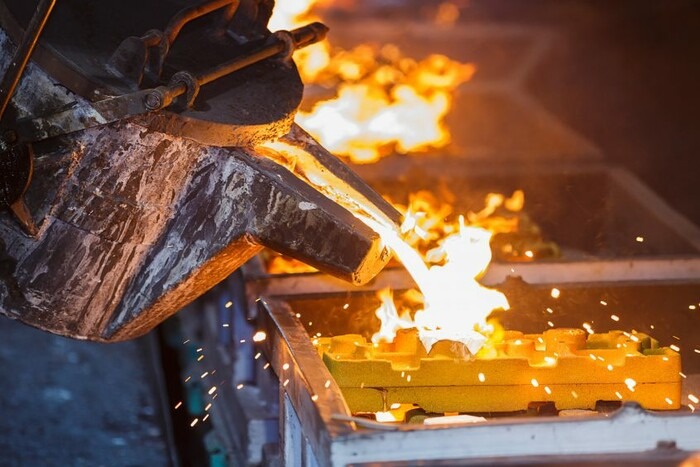
Cost-effectiveness is an additional significant advantage; Metal Casting procedures can create big amounts of components with marginal material waste, therefore reducing manufacturing prices.
Moreover, the resilience of actors steel components adds to the long life of items, minimizing the need for regular substitutes. Overall, the benefits of Metal Casting significantly add to effectiveness, sustainability, and development within modern-day production atmospheres.
Technologies Driving the Future of Metal Casting
While typical Metal Casting methods have offered the industry well for find more information years, current innovations are positioned to transform the field. Breakthroughs such as 3D printing technology enable for fast prototyping and the production of complicated geometries that were previously unattainable. These technologies not only boost style flexibility however also minimize waste and reduce preparations. On top of that, the assimilation of automation and robotics in casting processes is streamlining procedures, improving precision, and enhancing employee safety and security. Furthermore, the advancement of composite materials and brand-new alloys is enabling the creation of stronger, lighter castings tailored for specific applications. Digital modern technologies, including expert system and device learning, are enhancing spreading specifications and anticipating maintenance, driving enhanced quality assurance. Collectively, these developments are pressing the limits of Metal Casting, cultivating higher performance and sustainability in production, and placing the industry for future development and competitiveness.
Challenges and Solutions in Metal Casting Processes
As advancements in Metal Casting modern technology proceed to reshape the market, different difficulties remain that producers should deal with to totally take advantage of these innovations. One significant issue is the irregularity in material residential properties, which can bring about inconsistent high quality and performance. This variability commonly arises from fluctuations in basic materials and processing problems. Furthermore, the increasing prices of power and materials position financial restrictions, pressing suppliers to seek more efficient processes.
To deal with these difficulties, business are increasingly embracing automated systems and advanced simulation techniques to enhance accuracy and consistency. Implementing top quality control measures throughout the manufacturing procedure also aids in spotting defects early. Additionally, buying study for alternative materials might minimize costs and boost sustainability. By addressing these challenges with ingenious remedies, the Metal Casting industry can improve efficiency and preserve competitiveness in the progressing manufacturing landscape.
Often Asked Inquiries
What Products Are Typically Used in Metal Casting Processes?
Common materials used in Metal Casting processes include light weight aluminum, bronze, iron, and magnesium. Each product has one-of-a-kind buildings that satisfy different applications, boosting the adaptability and capability of the final cast products in various sectors.
How Do Ecological Laws Influence Metal Casting Operations?
Environmental laws force Metal Casting procedures to adopt cleaner practices and innovations, commonly increasing production costs. Compliance may bring about innovative procedures that reduce waste and exhausts, eventually promoting sustainability within the Metal Casting market.
What Are the Precaution in Metal Casting Facilities?
Security actions in Metal Casting facilities include correct air flow, personal protective tools, normal safety training, tools upkeep, and adherence to safety guidelines, guaranteeing a protected environment for workers while lessening risks connected with harmful products and processes.
Exactly How Is Quality Controlled in the Steel Casting Process?
Quality control in Metal Casting includes extensive examinations, consisting of visual assessments, dimensional checks, and product testing. Adherence to market requirements and carrying out quality management systems guarantees that castings satisfy specified needs throughout the manufacturing procedure.
What Is the Future Task Overview for Metal Casting Professionals?
The future task outlook for Metal Casting specialists appears encouraging, driven by improvements in innovation and raising need across various industries (Aluminum Foundry). Development in automation and lasting techniques will likely produce new possibilities in this field
Historically, Metal Casting began with easy approaches such as sand spreading and lost-wax casting, which allowed artisans to develop detailed shapes. Over time, advancements Extra resources in modern technology introduced procedures like die spreading and financial investment casting, enhancing precision and reducing waste. In addition, the medical field benefits Read Full Report from precision spreadings utilized in surgical tools and prosthetics, demonstrating the flexibility of Metal Casting across varied applications. Metal Casting provide various benefits that considerably boost contemporary production processes. Typical materials made use of in Metal Casting processes include aluminum, bronze, magnesium, and iron.